

Engilsh


OUR PRODUCTS
Our capabilities are used to protect Military, Government,
Law Enforcement, Critical Infrastructure, Commercial and VIPs
throughout the world. Through our team of engineers, we offer customers bespoke solutions and off-the-shelf
throughout the world. Through our team of engineers, we offer customers bespoke solutions and off-the-shelf
Welcome To Best
uav radar detection
Explore the forefront of detection technology. Our Phased Array Radar systems offer unparalleled speed, precision, and reliability for the most demanding surveillance and tracking applications, from drone detection to maritime security. Discover Our Solutions Industry Trends: The Rising Dominance of Phased Array Systems The global market for Phased Array Radar is experiencing exponential growth. A recent report by MarketsandMarkets™ projects the phased array antenna market to grow from USD 18.9 billion in 2023 to USD 25.6 billion by 2028, at a CAGR of 6.3%. This surge is driven by increasing demand in aerospace, defense, and telecommunications (5G). The key driver is the technology's inherent ability to perform electronic beam steering, eliminating the need for mechanical rotation and enabling near-instantaneous tracking of multiple, agile targets—a critical capability in modern security landscapes. Phased Array Radar Market Growth (USD Billions) Data Source: MarketsandMarkets™ Analysis & Internal Projections Decoding the Technology: What is a Phased Array Radar? A Phased Array Radar is an advanced antenna system composed of numerous small, individual radiating elements. Unlike traditional mechanically-steered dish antennas that must physically move to point their beam, a phased array steers its beam electronically. It does this by precisely controlling the phase of the radio waves transmitted and received by each element. By introducing tiny time delays (phase shifts) across the array, the system can constructively and destructively interfere the waves to form and direct a highly focused beam in a specific direction. This process, known as beamforming , can be accomplished in microseconds, offering a level of agility impossible for mechanical systems. Key Technical Concepts: T/R Modules (Transmit/Receive): Each radiating element is typically backed by a T/R module. This is the heart of an Active Electronically Scanned Array (AESA), containing its own signal amplification and phase shifting hardware. Our AESA radars utilize Gallium Nitride (GaN) T/R modules for superior power efficiency and thermal performance. Beamforming: The core principle allowing for rapid, software-controlled beam steering. This enables functions like track-while-scan (TWS), where the radar can track multiple targets while simultaneously searching for new ones. Doppler Shift: By analyzing the frequency shift in the returning signal, the radar can accurately determine a target's velocity, distinguishing between approaching and receding objects, and even hovering drones. Radar Cross-Section (RCS): A measure of how detectable an object is by radar. Our systems are optimized to detect very low-RCS targets, such as small consumer drones, which are notoriously difficult for conventional radars to see. Manufacturing Excellence: From Raw Material to Field-Ready System Producing a high-performance Phased Array Radar is a complex process demanding precision engineering and stringent quality control. Our manufacturing process is certified under ISO 9001:2015 , ensuring every unit meets the highest international standards. With a design lifespan exceeding 10 years and an MTBF (Mean Time Between Failures) of over 20,000 hours, our systems are built for long-term, reliable operation in critical environments. ⚙️ 1. Material Selection & Sourcing Materials: Aerospace-grade 6061-T6 Aluminum for structural integrity and thermal management. High-frequency Rogers/Arlon laminates for PCBs to minimize signal loss. Process: All materials undergo rigorous incoming quality inspection (IQC) for chemical composition and dimensional accuracy. ↓ ? 2. Component Fabrication & CNC Machining Process: T/R module housings and antenna array backplanes are machined using 5-axis CNC machines for sub-millimeter precision. Automated Surface-Mount Technology (SMT) is used for PCB assembly in a Class 10,000 cleanroom environment. ↓ ?️ 3. Array Assembly & Integration Process: T/R modules are precisely mounted onto the array backplane. Laser welding is employed to ensure hermetic sealing, protecting sensitive electronics from moisture and contaminants. Integration with the central signal processor and power distribution network follows. ↓ ? 4. System Calibration & Testing Process: Each assembled radar undergoes extensive testing in an anechoic chamber to calibrate beamforming accuracy and measure performance against specifications. Environmental stress screening (ESS) is performed per MIL-STD-810G standards, including vibration, shock, and temperature cycle tests (-40°C to +65°C). ↓ ? 5. Final QA & Packaging Process: A final quality assurance check verifies all functional parameters. The system is then securely packaged in custom-engineered crates for safe worldwide delivery. Technical Specifications Our flagship Phased Array Radar , the Sentinel-AESA-3D, is engineered for superior performance in a compact form factor. Below is a detailed breakdown of its key parameters. Parameter Specification Description & Advantage Model Sentinel-AESA-3D Active Electronically Scanned Array, 3-Dimensional tracking. Frequency Band X-Band (9.2-9.5 GHz) Optimal balance between resolution, range, and all-weather performance. Detection Range (Drone, RCS=0.01m²) Up to 5 km Early warning and extended reaction time against small, stealthy targets. Azimuth Coverage 90° (Single Panel) / 360° (Four Panels) Scalable coverage to protect assets from all directions. Elevation Coverage -10° to +70° Effective against both low-flying and high-altitude threats. Target Update Rate < 1 second (Hertzian) Near-real-time tracking of highly maneuverable targets. Multi-Target Capability > 200 simultaneous tracks Ideal for handling swarm attacks or cluttered airspaces. Power Consumption < 500W Energy-efficient design using GaN technology, suitable for remote deployment. Operating Temperature -40°C to +65°C Robust design ensures reliability in extreme climates, from arctic to desert. IP Rating IP67 Fully protected against dust and water ingress, ensuring outdoor durability. Integration Interface Ethernet (TCP/IP), XML, JSON Seamless integration with existing C2 (Command & Control) systems and security platforms. Unmatched Advantages: Phased Array vs. Conventional Radar The transition from mechanical to electronic scanning represents a paradigm shift in radar capability. Our Phased Array Radar systems offer tangible benefits over legacy technologies. Speed & Agility: Instantly re-point the beam to track fast movers or monitor multiple sectors at once. Reliability & Lifespan: No moving parts means significantly lower wear and tear, higher MTBF, and reduced maintenance costs. Multi-Functionality: Perform surveillance, tracking, and target classification simultaneously. A single phased array can do the job of multiple conventional radars. Stealth & Low Probability of Intercept (LPI): The ability to change frequencies, power levels, and waveforms rapidly makes the radar more difficult to detect and jam. Graceful Degradation: The failure of a few T/R modules does not cause system failure; it only slightly degrades performance, enhancing mission-critical reliability. Performance Comparison: AESA vs. Conventional Radar Versatile Applications: Securing Diverse Environments The adaptability of Phased Array Radar technology allows it to be deployed across a wide range of industries, providing critical situational awareness where it's needed most. Primary Application Scenarios: Critical Infrastructure Protection: Safeguarding power plants, oil & gas refineries (petrochemical), and water treatment facilities (give/drainage) from aerial threats. The system's anti-corrosion coatings and IP67 rating ensure longevity in harsh industrial environments. Airport & Airspace Security: Detecting and tracking unauthorized drones (UAS) to prevent runway incursions and protect aircraft. Our systems are a core component of comprehensive C-UAS (Counter-UAS) solutions. Border and Maritime Surveillance: Monitoring vast stretches of land and sea for illegal activities, detecting low-flying aircraft and small, fast boats. Event Security: Creating a secure airspace "bubble" over stadiums, public gatherings, and VIP convoys. Defense & Military: Providing advanced situational awareness for forward operating bases, vehicle-mounted systems, and naval vessels. Application Market Share Customized Solutions & Integration We understand that no two security challenges are identical. Our team of experienced engineers works closely with clients to deliver tailored Phased Array Radar solutions. Our process includes: Threat Assessment & Site Survey: We analyze your specific vulnerabilities, terrain, and operational requirements. System Design & Configuration: We determine the optimal number of radar panels, their placement, and integration strategy. This can range from a single 90° sector radar to a full 360° multi-panel installation. Software Integration: Our open-architecture software allows for seamless integration with your existing Video Management Systems (VMS), PTZ cameras (slew-to-cue), and other sensor networks. Training & Support: We provide comprehensive training for your operators and ongoing technical support to ensure maximum system effectiveness. Application Case Study: Securing a Major International Port Client: A leading European maritime port authority. Challenge: The port faced increasing threats from unidentified drones used for smuggling and illicit surveillance, as well as the need to monitor small, fast-moving vessels in a cluttered harbor environment. Solution: We deployed a 360° C-UAS solution centered on four Sentinel-AESA-3D Phased Array Radar panels. The system was integrated with long-range electro-optical/infrared (EO/IR) cameras and RF jammers. Outcome: Achieved 99.8% detection rate for Group 1 & 2 drones up to 4.5 km. Provided operators with real-time tracking of over 50 vessels and 10 drones simultaneously during a peak traffic simulation. Reduced false alarm rates by 85% compared to their previous radar system, thanks to advanced Doppler processing and AI-based classification. The client reported: "This system has transformed our situational awareness. The reliability and precision of the phased array radar give us the confidence to neutralize threats long before they reach sensitive areas." Building Trust: Our Commitment to Quality and Support Your security is our priority. We demonstrate our commitment through transparent practices, robust support, and unwavering quality standards, solidifying our authority and your trust in our products. ? Industry Certifications Our products and processes are compliant with ISO 9001:2015, CE, and FCC standards, ensuring global acceptance and quality assurance. ⏱️ Delivery & Warranty Standard delivery cycle of 6-8 weeks. Every system comes with a 2-Year Comprehensive Warranty covering all parts and labor. ? 24/7 Customer Support Access to our expert technical support team around the clock for troubleshooting, maintenance queries, and operational assistance. Frequently Asked Questions (FAQ) 1. What is the difference between AESA and PESA radar? AESA (Active Electronically Scanned Array) and PESA (Passive Electronically Scanned Array) are two types of phased arrays. A PESA uses a single central transmitter/receiver, and the signal is fed to all elements through phase shifters. In contrast, an AESA, which our systems utilize, has a T/R (Transmit/Receive) module for each individual element. This provides superior performance, including higher power, better efficiency, simultaneous multi-beam capability, and much greater reliability due to graceful degradation. 2. What primary materials are used in your Phased Array Radar and why? We use a combination of specialized materials for optimal performance. The main structure and housing are crafted from aerospace-grade 6061-T6 aluminum alloy , chosen for its excellent strength-to-weight ratio and superior thermal conductivity to dissipate heat from the electronics. The intricate circuit boards use high-frequency laminates from manufacturers like Rogers Corporation to minimize signal loss at microwave frequencies. The outer radome is made from a specialized composite material that is nearly transparent to radio waves while providing robust protection (IP67) against environmental factors. 3. What are the power and installation requirements? Our Sentinel-AESA-3D is designed for efficiency, typically consuming less than 500 Watts per 90° panel. It can operate on a wide range of AC (90-264V) or DC (24/48V) power inputs. Installation is flexible; the system can be mounted on standard masts, towers, buildings, or vehicles. A stable mounting platform and a standard Ethernet connection for data are the primary requirements. 4. How does the radar perform in adverse weather like rain or fog? Our system operates in the X-band, which is specifically chosen for its excellent balance of resolution and all-weather performance. While extremely heavy rain can cause some signal attenuation (a phenomenon known as "rain fade"), our radars employ advanced signal processing algorithms, including MTD (Moving Target Detection) and CFAR (Constant False Alarm Rate), to automatically compensate for weather clutter and maintain a high probability of detection with a low false alarm rate. 5. What is the MTBF (Mean Time Between Failures) of your system? The calculated MTBF for the Sentinel-AESA-3D system is over 20,000 hours . This high reliability is a direct result of its AESA architecture, which has no moving parts. Furthermore, the concept of "graceful degradation" means that the failure of individual T/R modules (which are themselves highly reliable) does not cause a catastrophic system failure, but only a marginal and often imperceptible decrease in performance, ensuring the system remains operational for critical missions. 6. Can your Phased Array Radar be integrated with existing security systems? Absolutely. Integration is a core part of our design philosophy. The radar outputs data in standard, open formats like JSON, XML, or custom TCP/IP streams. This allows for straightforward integration with virtually any modern Command and Control (C2) software, Video Management System (VMS), or broader Physical Security Information Management (PSIM) platform. We provide a comprehensive SDK and API documentation to facilitate integration. 7. What kind of maintenance is required? Due to the solid-state design with no moving parts, routine maintenance is minimal. It typically consists of periodic visual inspections of the radome for damage or debris and ensuring power and data connections are secure. The system includes built-in test (BIT) capabilities that continuously monitor system health and will automatically report any faults, which can then be addressed by our support team, often remotely. References & Further Reading To deepen your understanding of Phased Array Technology and its applications, we recommend the following authoritative sources: Mailloux, R. J. (2005). Phased Array Antenna Handbook, Second Edition . Artech House. A foundational text covering the theory and design of phased array systems. Brookner, E. (2014). "Phased-Array and Radars - Past, Present and Future." 2014 International Symposium on Phased Array Systems and Technology . Available on IEEE Xplore . Skolnik, M. I. (2001). Introduction to Radar Systems, Third Edition . McGraw-Hill. A comprehensive overview of radar principles, including sections on phased array antennas. "Understanding the C-UAS Mission." Journal of Electronic Defense , a publication by the Association of Old Crows (AOC), frequently covers the role of advanced radar in counter-drone applications.

OUR BLOG
Recent Post
2026-04-02 13:32
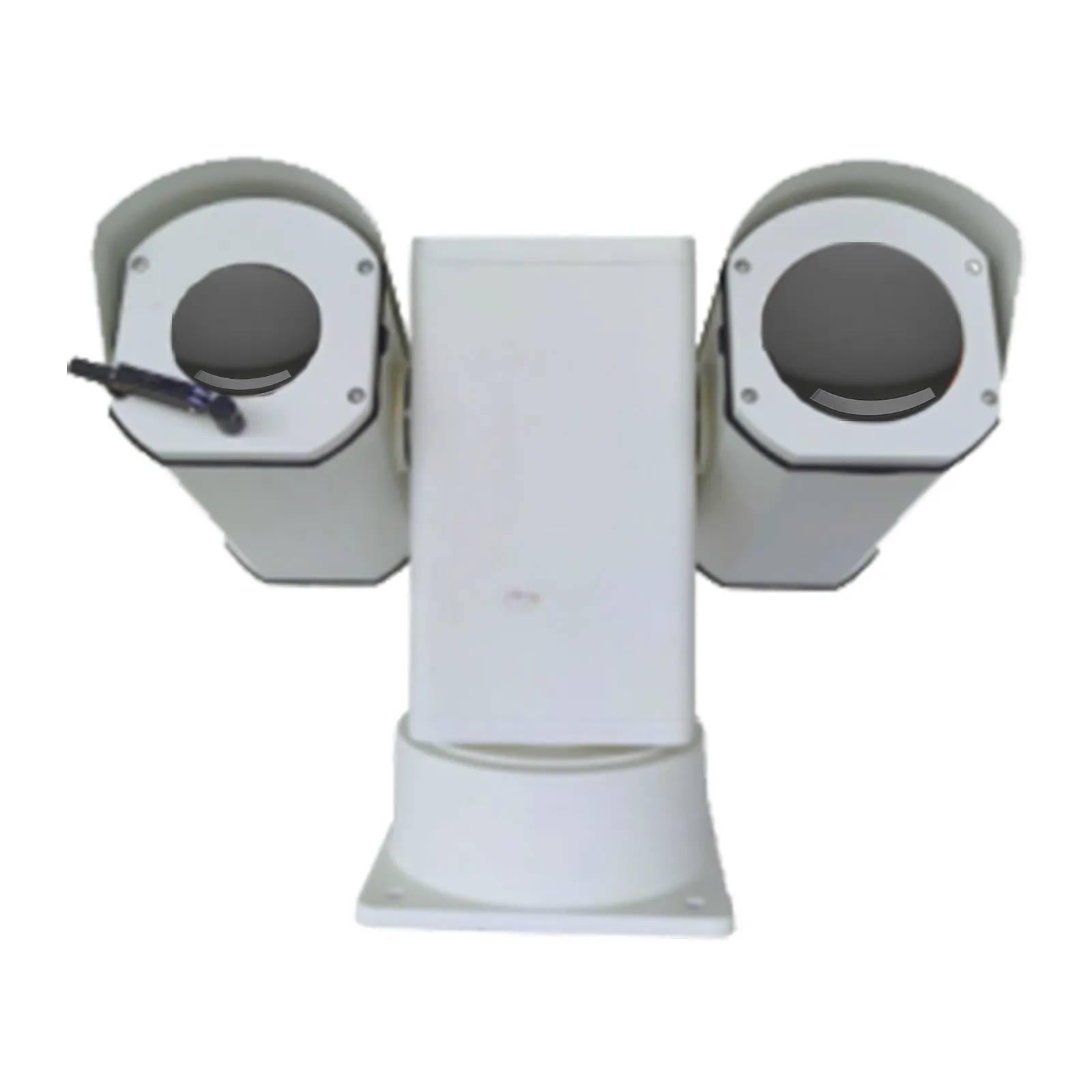
Prison Shielding System_ Enhanced Security for Correctional Facilities
In an era marked by rapid technological advancement, correctional facilities face unprecedented chal
2026-04-02 12:52
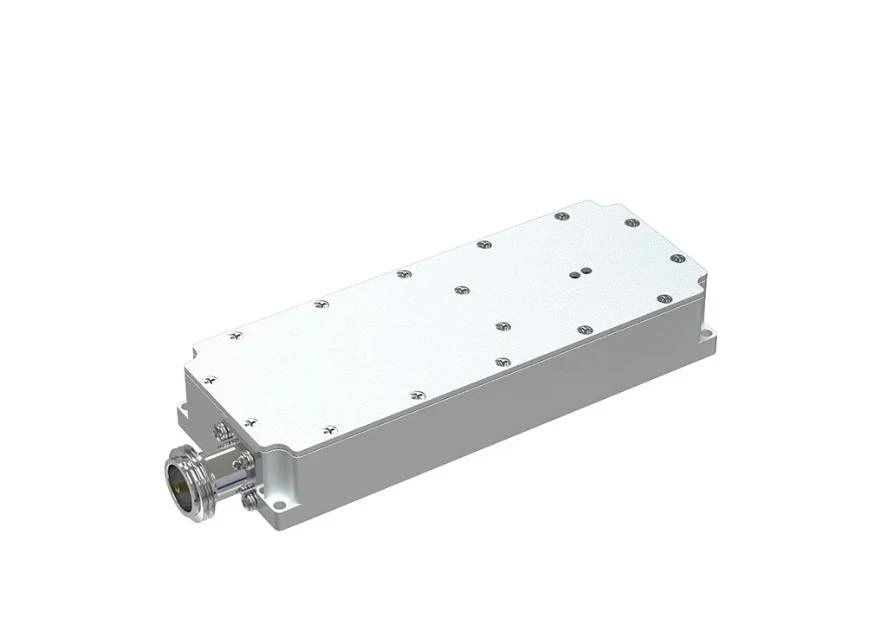
AOA Passive Spectrum 10km Drone Detector_ Silent, Long-Range Threat
AOA Passive Spectrum Drone Detector for 10km is a key solution in the security industry, specificall
2026-04-02 12:50
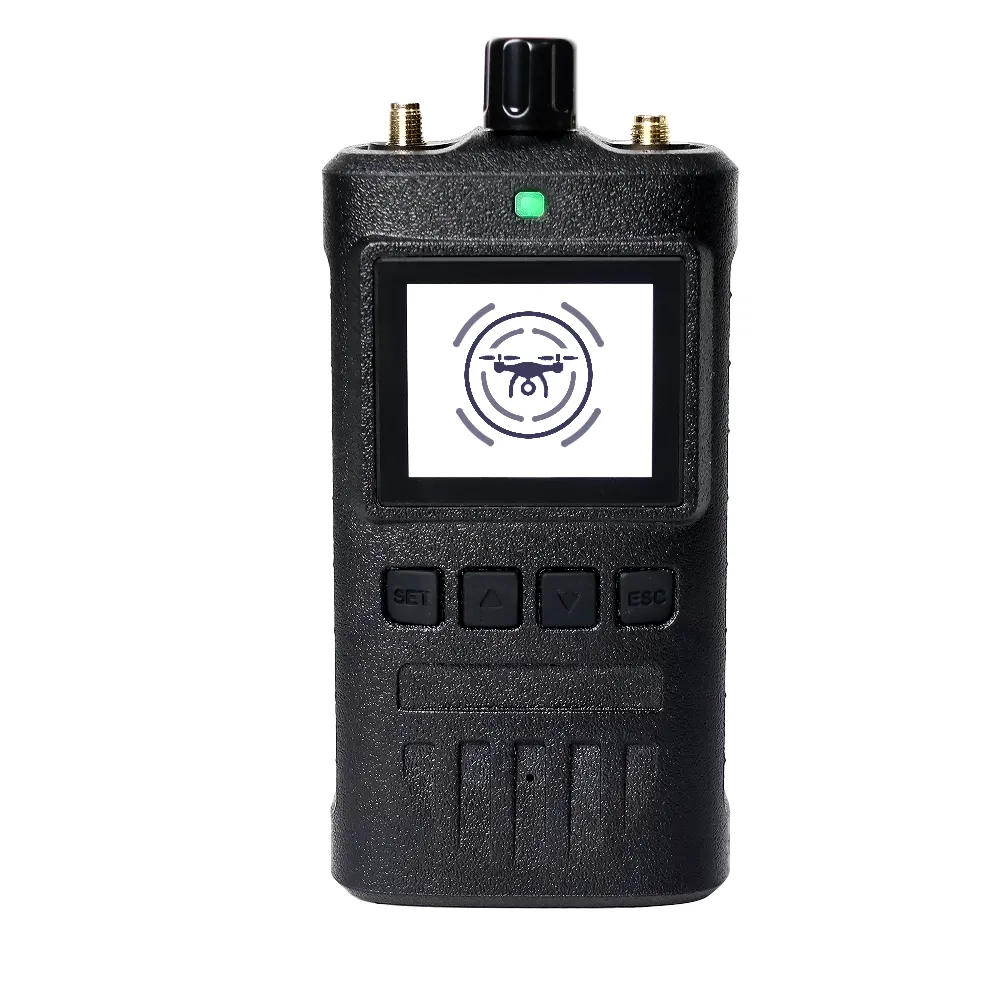
Multispectral Target Recognition and Tracking System - YiYuan ComTech _ High-Resolution Imaging &
Discover the cutting-edge Multispectral Target Recognition and Tracking Servo Turntable , a sophisti
2026-04-02 11:56
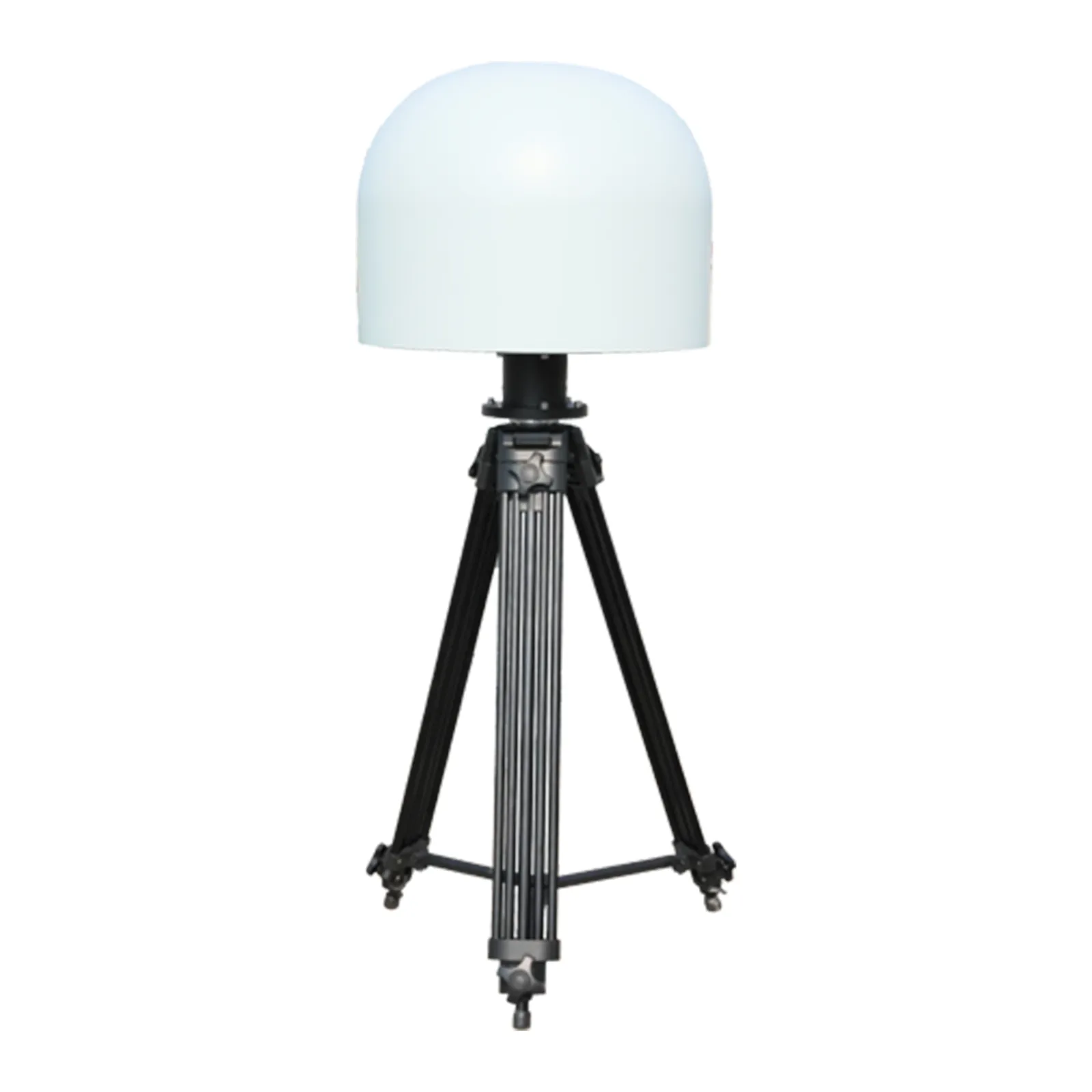
Detect Signals with Precision_ Your Guide to RF Detection Devices
In today's interconnected world, radio signals are everywhere, powering everything from your smartph
 English